Policies that Reflect Cameroon’s Local Context Work Better
June 6, 2026
Policy Win: CEPI Successfully Advocates for 3-10% Minimum Cassava Flour use in Bakery Products
June 9, 2026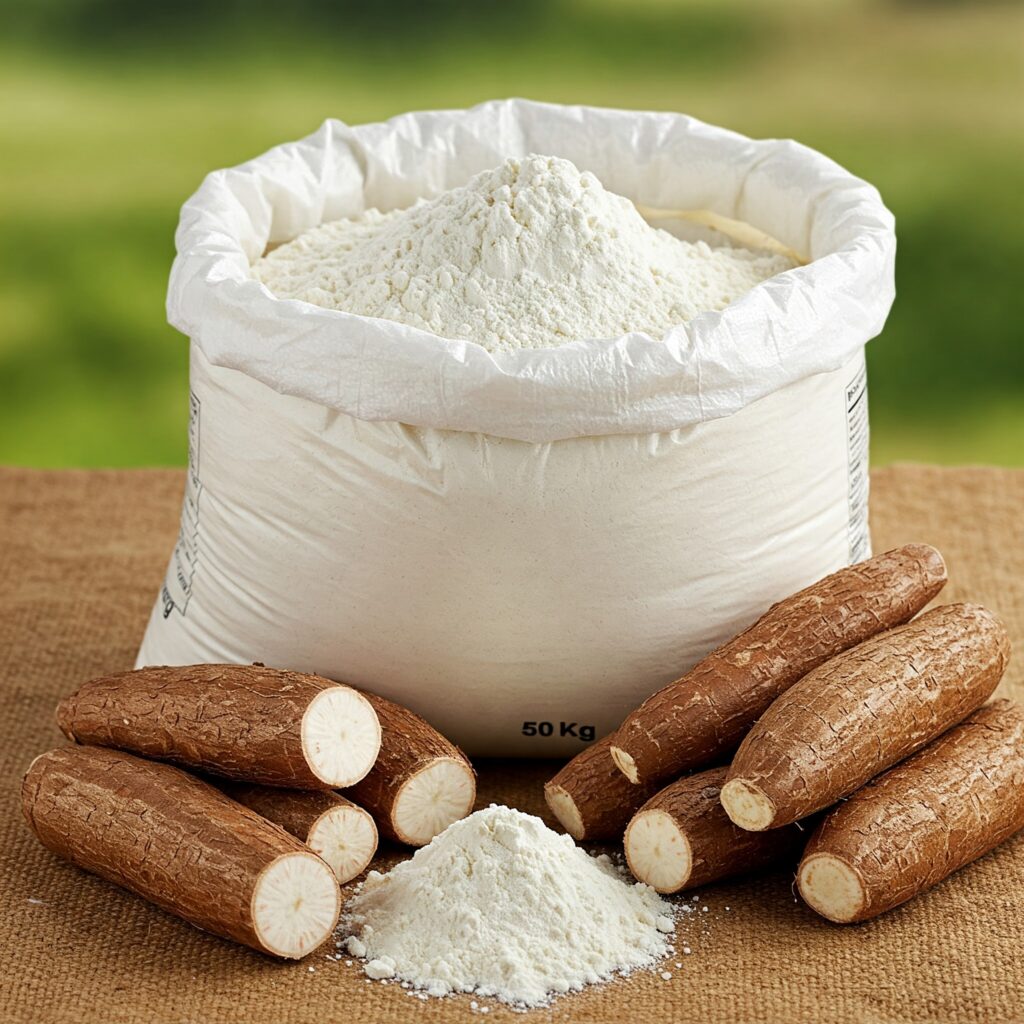
Introduction
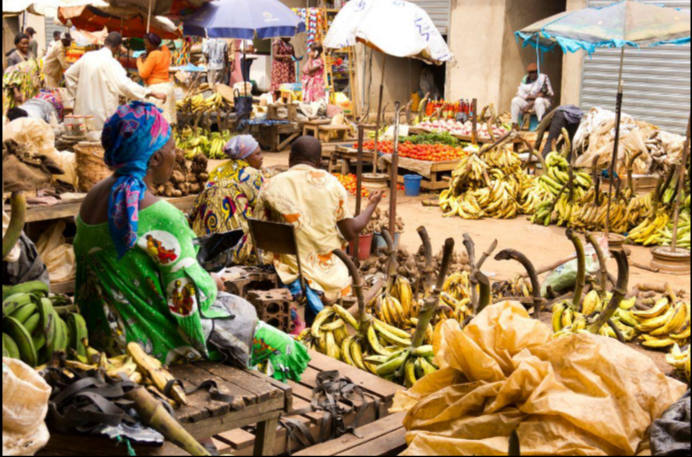
Cassava is one of the most important and widely eaten foods across Cameroon. It can also be transformed into flour that can be used to make baked products like cakes and bread. However, Cameroon remains dependent on wheat flour imports from France, closely followed by Russia, Poland and Germany. Before Russia’s illegal war in Ukraine, both countries accounted for 50% of wheat imports. In 2024, Cameron spent and estimated CFA 214 billion on wheat and meslin imports but imports fell by 12.3% to CFA 187.8 billion (approximately $315 million) in 2025. The government is trying to reduce the import bill for wheat products after Russia’s war in Ukraine, pressured foreign exchange reserves and the need to support local flour makers.
What Changed?
The 2025 Finance Law saw the government lower value-added tax for vital products to enable more consumers living below the poverty line afford basic food and vital products. In 2023 and 2024, we advocated for the government to lower and eventually remove VAT for vital products like flour, eggs and rice.
Our Advocacy
- In a series of policy briefs, two newspaper articles, over five media interviews and two working sessions with largest business lobby group and Hon. Fru Nestus Nji, parliamentarian for Mezam North.
- We published several newspaper articles and attended radio interviews to advocate for lower VAT on locally-made flour (Page 9, Annual Report).
We met with the largest business lobby group (GECAM) to debate and advocate together for lower VAT for flour-based products and other household products.
Our Impact in Numbers
- In 2024, policy makers lowered Vat on locally-made flour before lowering it to 0 in 2025. As a result of this reform, farmers like Constance expanded her farm while cereal import dropped 14.1% in 2025 to FCFA 466.9 billion.
- For the 700-800,000 cassava farmers, this reform has allowed them to integrate formal value chains and sell to bakeries. However, uptake of cassava flour is still slow and so requires greater efforts by all stakeholders.
Authors
CEPI Team