Past Events
Date: 23 Mai 2025 || 10:00 - 13:00 || Venue: Hôtel Franco
Thème: Women's Entrepreneurship in Cameroon: Opportunities, Challenges and Prospects
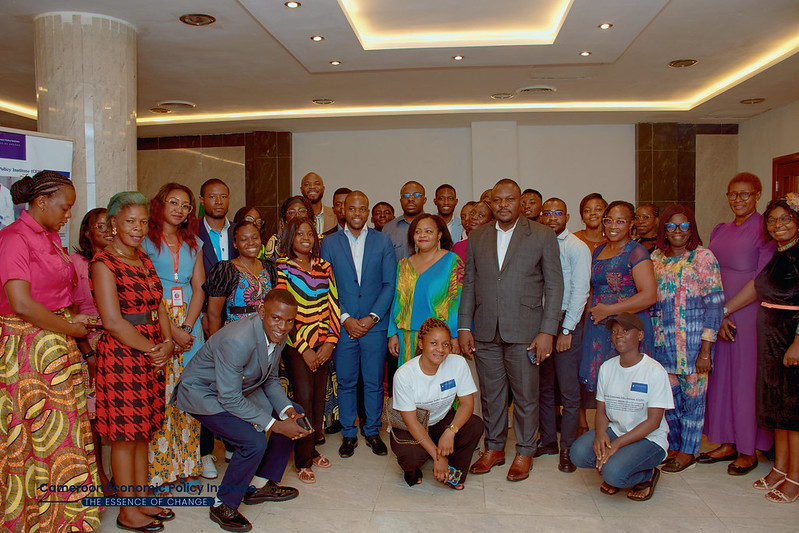
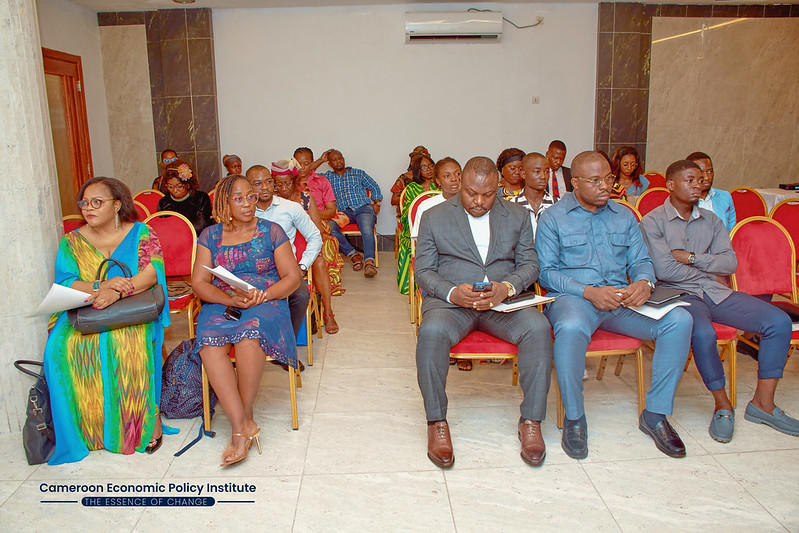
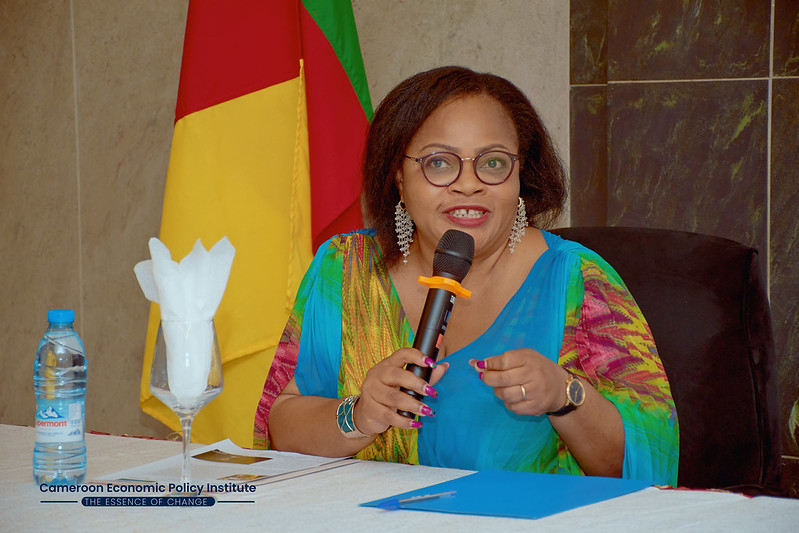
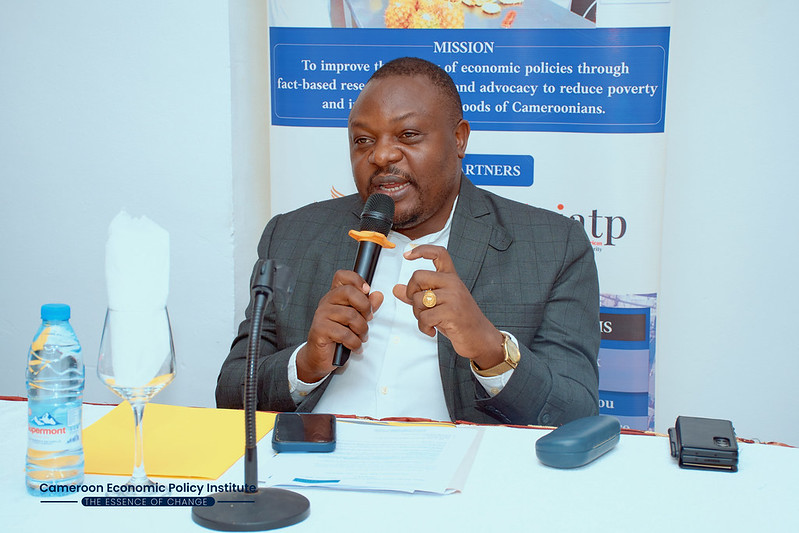
The event, moderated by CEPI's Founder and Executive Director, Mr. Henri Kouam, featured panelists Prof. Kelly Mua, a Financial Engineer and Director of Finance Operations for the State, and Mrs. L’or Sylvie epse Mafouo, Regional Director for Yaoundé South, Afriland First Bank. The discussion aimed to address the barriers and opportunities for women entrepreneurs in Cameroon. Mrs. L'or-Sylvie highlighted that while women run 40% of all businesses in Cameroon, they only lead 20% of manufacturing firms. A key challenge they face is limited access to loans due to administrative hurdles and a lack of financial literacy. She advised women to open bank accounts to build a credit history and emphasized the need to enforce women's property rights to improve their access to finance. Prof. Kelly Mua stressed that entrepreneurs need credible business plans and a stable customer base to demonstrate their business's potential to lenders. He also encouraged businesses to explore export opportunities through the African Continental Free Trade Area (AfCFTA) and access trade finance to protect the value of their exports.
Impact of the African Continental Free Trade Area on SMEs
African Continental Free Trade Area (AfCFTA) on small and medium enterprises (SMEs) in Cameroon. The discussion, moderated by Nkeh Tamfu Paul, included panelists Henri Kouam, Rouben Tamba, and Chefor Daisy. Henri Kouam, CEPI’s founder, explained that the AfCFTA aims to unify African markets and reduce trade barriers, which could significantly lower input costs for SMEs. He noted that while SMEs constitute 99% of Cameroon’s economy, they face challenges like limited access to credit and information. Chefor Daisy introduced a framework for assessing SME readiness based on capacity, compliance, and connectivity, stressing the need for businesses to diversify revenue streams. Rouben Tamba emphasized the importance of collaboration among SMEs to meet supply demands and achieve product standardization. The panelists agreed that a hybrid approach combining digital transformation with regional partnerships is crucial for success.
The event concluded with several recommendations for policymakers and businesses. The speakers reiterated the need to build the capacity of entrepreneurs to enable them to trade under the AfCFTA. They also noted the need to create partnerships that accelerate digitization and support the attainment of the Sustainable Development Goals (SDGs). It was suggested that policymakers should ensure reforms target and impact informal sector workers and create incentives to formalize their businesses. Additionally, a tax holiday for newly registered businesses was proposed to encourage formalization and job creation
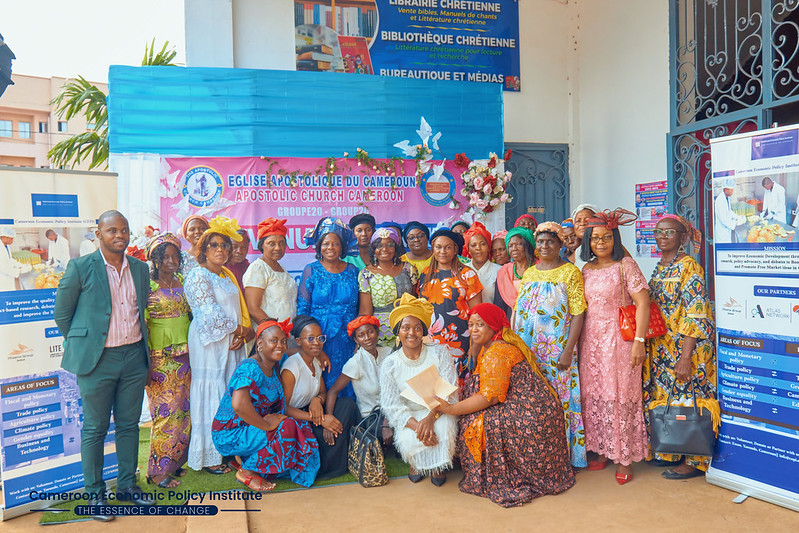
08 March 2025 || 14:00 - 16:00 || Venue: Bastos
Theme: Unlocking Women’s Economic Rights in Cameroon
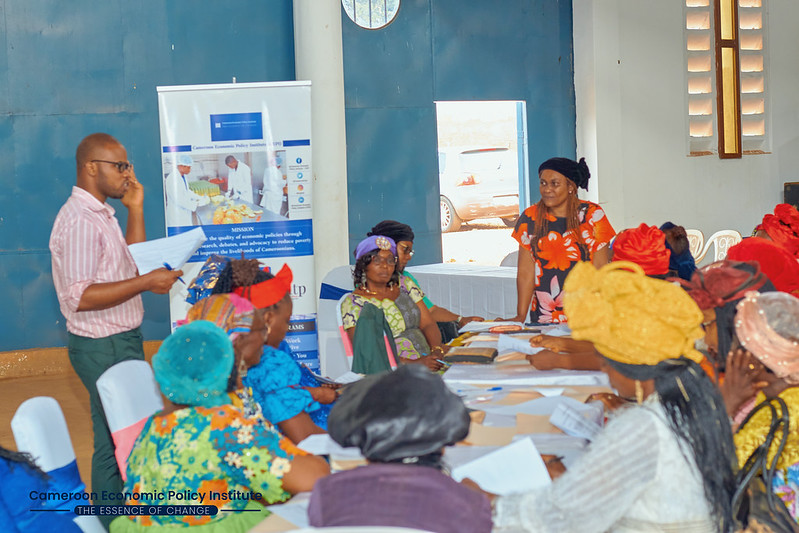
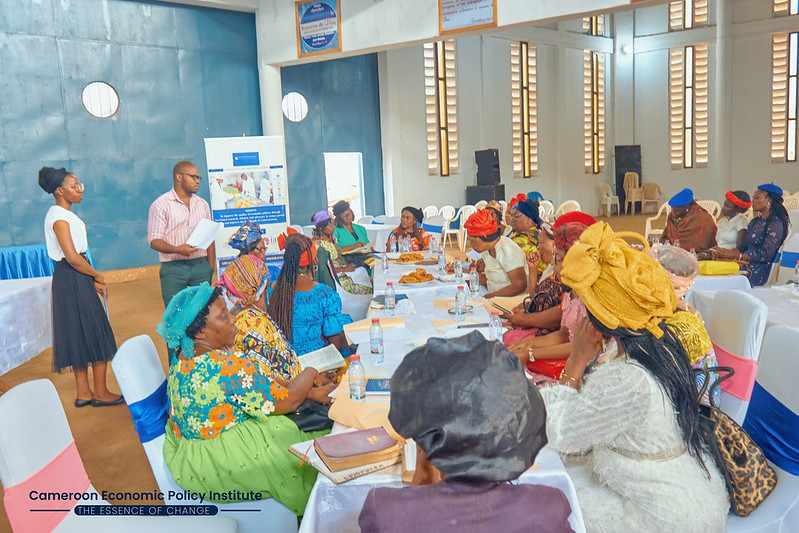
The training with 25 women entrepreneurs, experts, and local community leaders focused on women’s rights and economic freedom. The civil code dramatically restricts women’s rights; the trainees reminded women that Article 18 of the constitution guarantees equality among the sexes and protects women from discrimination. We equipped women with the practical tools to protect their rights and accelerate economic freedom and liberty in Cameroon.
The founder of CEPI – Mr. Henri Kouam – outlined the need to integrate women’s rights into customary law to ensure women’s property rights are protected and enforced. He shared several studies and examples of communities that have developed quickly and experienced higher wages and job growth due to female entrepreneurs. Women stated the importance of being able to work without male interference, and the trainer noted that Article 7 of the labor code requires just and fair conditions for both women and men.