The Contribution of the Cameroonian Diaspora in Europe to the Development of SMEs
August 28, 2026
Digitalisation Connects Entrepreneurs to Supply Chains
September 4, 2026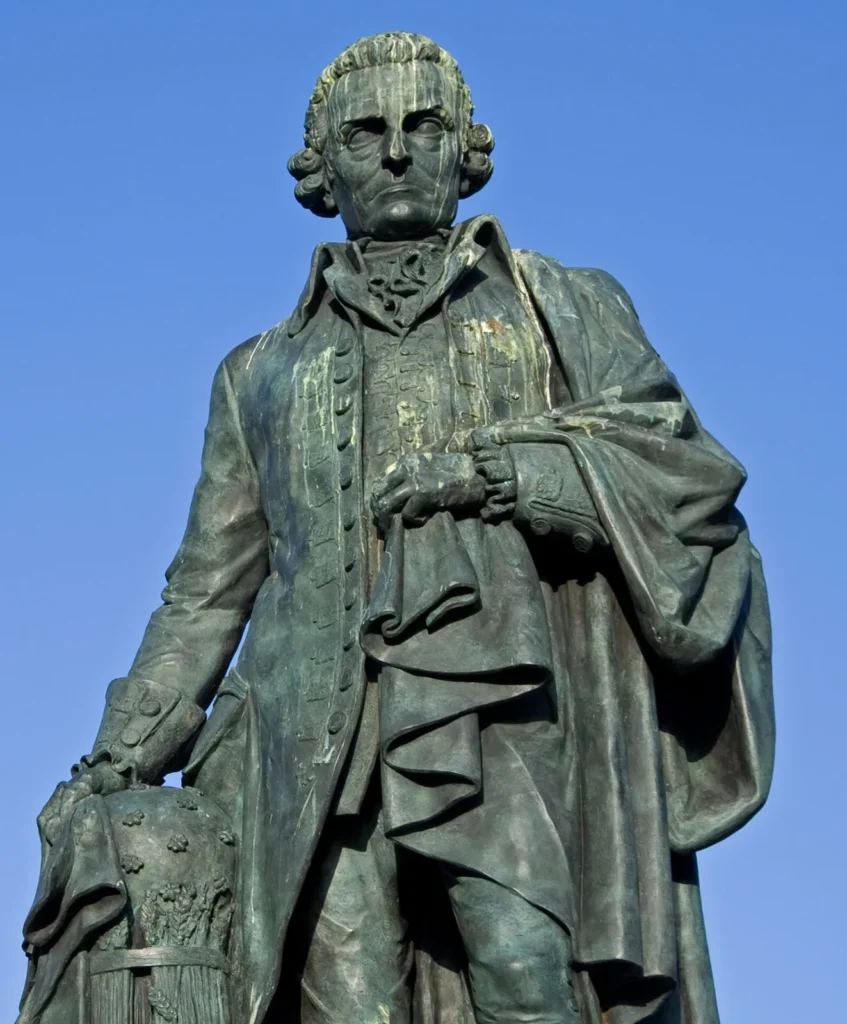
Introduction
When people trade, their standards of living improve; they can access a greater variety of products and services at acceptable prices, and industry thrives through innovation and specialization. This is perhaps a terse but accurate depiction of the many views of Adam Smith. At a time when tariffs, economic security, and geopolitics are reshaping global trade, it has never been more urgent to reiterate the importance of free trade. In an attempt to cope with ever-rising uncertainty, countries have resorted to integrating and insulating their supply chains across many sectors, from auto to critical minerals. The United States (U.S.) has brokered a peace deal between Rwanda and the Democratic Republic of Congo (DRC) to strengthen its access to cobalt and other vital critical minerals. Meanwhile, the EU is simplifying trade rules and has launched a Green Deal to accelerate green industrialization at a time when the U.S. Inflation Reduction Act (IRA) was instrumental in helping it accelerate its energy transition. This article presents five key concepts from Adam Smith and why they remain relevant today.
The Invisible Hand
Smith used examples to show that when individuals pursue their self-interest, society tends to benefit as a whole. By producing goods and services others want with limited government intervention, they can maximize their own wealth through voluntary exchange. This is true in Cameroon’s largely informal economy where individuals choose what sectors to operate in and what products to sell. In Cameroon, more consumers are buying Ma Mag’ni and Yakeva cassava flour in response to rising prices of flour from other countries, creating value for both buyers and the funders of these companies.
The Division of Labor
Smith showed that breaking up tasks into smaller tasks leads to specialization and greater productivity. Using the examples of a pin factory, he shows how workers are more productive when they focus on a single part of the process rather than trying to produce the whole pin. From palm oil and bottled water to hone ware, this idea persists today. With automation, division of labor has taken on a whole new meaning, creating new anxieties about job security for millions of workers. Even though the efficiency gains from specialization have slashed processing and production times and improved the efficiency of global chains.
Free Trade and Markets
When governments regulate trade through tariffs and other barriers, consumers pay more for goods and services, and the economy is less efficient. A fierce critic of mercantilism, he advocated for free markets where prices are regulated by demand and supply. He argued that open competition leads to higher-quality goods and lower prices. In today’s world, there are no perfectly free markets, but countries that practice a semblance of free trade are more successful. It is no surprise that China’s decision to join the World Trade Organization (WTO) and lower tariffs caused trade as a share of GDP in China to rise from 6% in 1960 to 37% in 2025. Meanwhile, low-income earners in Africa now have access to cheap smartphones – commonly called “Choronko” to signal their Chinese origins.
Self-Interest as the Economic Engine
Rather than treat self-interest as a vice, Smith treats it as a motivating factor that underpins mutually beneficial exchange where each party gets something they value. However, we note that where self-interest leads to monopolies, we should be wary, as they restrict competition, artificially raise prices, and encourage complacency, resulting in poor management and inefficiencies.
Limited Government Intervention
Smith argues that government should stay out of markets as much as possible. We agree. He argues that the State’s role is to ensure security, administer justice, and provide basic public goods like roads, education, and healthcare, as the private sector cannot easily maintain these sectors. For years, governments have pursued industrial strategies, import substitution strategies, and subsidies to support the private sector. This can be distortive, but recent experience shows that there are cases where government intervention has worked. For example, creating special economic zones that lower taxes, input costs, and provide firms with adequate infrastructure has led to a prosperous Singapore, a more resilient Chad, and a Cameroon that is more food secure. This is because industrial policies that are market-oriented deliver the best results, but they can be expensive and require a large market to be effective. Governments should focus on policies and strategies that make it easier to trade and transact, not coerce firms on what to produce and how to produce.
Is Adam Smith Relevant Today?
Adam Smith’s ideas are interpreted by the left and right to suit their political agendas. On the one hand, neoliberals emphasize his defense of free trade while left-leaning schools of thought emphasize his views on the pitfalls of capitalism – monopolies, inequality, and inadequate public goods. Economic research shows that advanced economies imposed high tariffs while they industrialized and advocated for lower tariffs once they were sufficiently advanced to trade with the rest of the world. That is true, but during this period, China, Vietnam, Taiwan, and Morocco are proving that countries can develop sustainably through free trade.
Countries like Indonesia banned exports of raw nickel, and it led to the production of battery-grade nickel and domestically produced electric vehicles. Gabon banned the exports of raw wood and is the 5th largest exporter of processed sawn wood today. So, it would be inconsistent to claim that only free trade leads to development as the world has grown more complex. Even so, countries that impose minimum processing requirements perform better than countries that choose to restrict trade because the former causes companies to innovate while the latter does not incentivize industrialization. Cameroon and Africa must choose free trade and cooperation.
Adam Smith remains one of the most consequential thinkers for the modern-day economy. His ideas ring true today. Free trade, the pursuit of self-interest, and limited government are important drivers of economic prosperity. Economic history shows that countries that have liberalized their markets have performed better, industries have spawned across all parts of the world, and the pursuit of efficiency gains has led to jobs, higher incomes, and better standards of living.