ZLECAF : The urgency of simplifying Export/Import procedures
October 10, 2025
Principaux enseignements du budget 2024
October 10, 2025
Women in Cameroon constitute about 70 percent of the population, but only 1 percent of them own land. Women’s property rights matter and they should be upheld, not to protect or enforce some foreign concept of equality, but because women contribute more to the Cameroonian economy and deserve to be taken more into consideration. However, in Cameroon, rural and indigenous communities hold customary rights over the vast majority of forests, pasture and land, which support the livelihoods of local community. This article will outline women’s contribution to the Cameroonian economy, the laws that protect women’s rights and why we should all become allies for Women
Property Rights.
1. Women Contribute a lot to the Cameroonian Economy
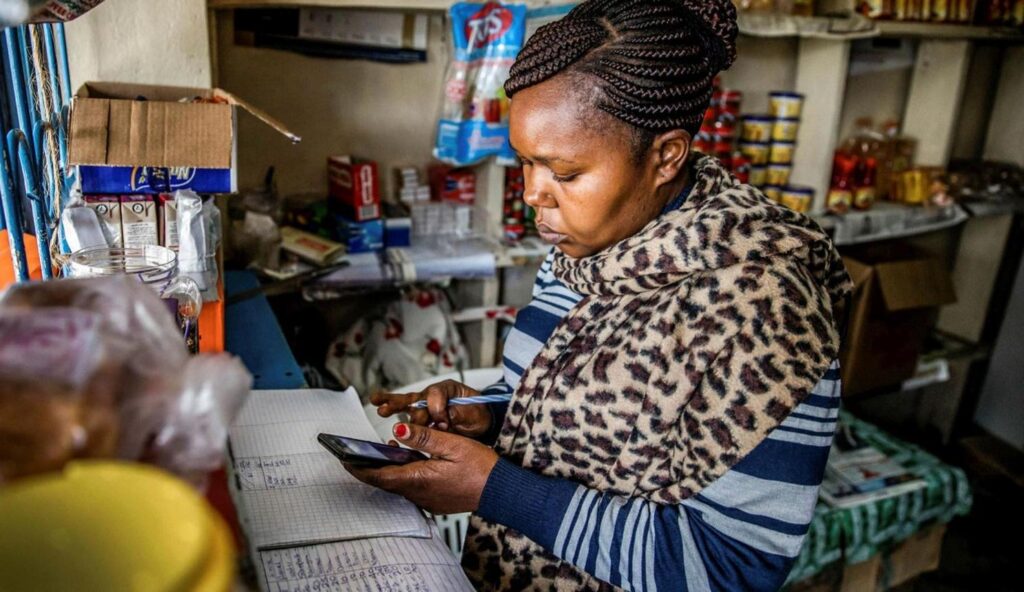
The majority of women work in food-producing agriculture, informal sectors and face underemployment, which hinders the exercise of other rights, including participation in political life.
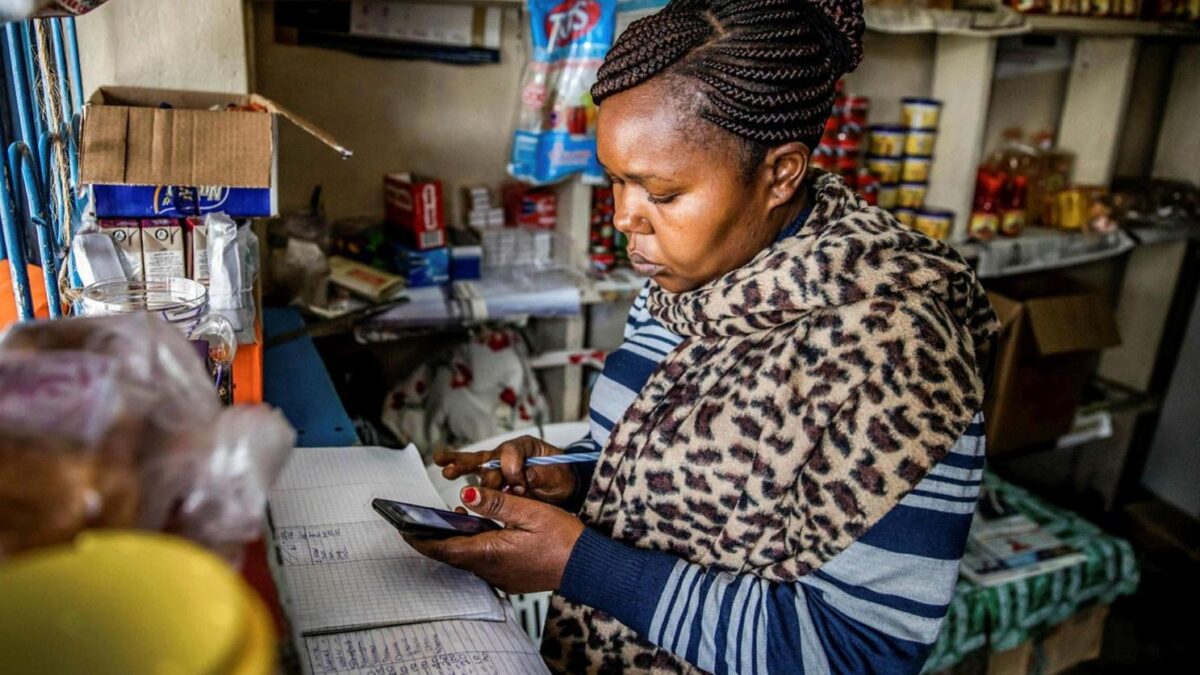
In Cameroon, 30.39% of those affected by conflict are women, followed by children (17.13%) and the female labor force participation has been falling since 1990. According to the Institute for National Statistics, more than half of the IPUs (56.1%) are headed by women and more than half of the IPUs (56.1%), promoters are female. Meanwhile, the proportion of IPUs headed by women is higher in industry (67.5%) and trade (57.2%) – underscoring the need for property rights.
2. Laws that Protect Women’s Property Rights
Cameroon’s primary land law, is the Ordinance No. 74-1 of 6 July 1974, which establishes land tenure rules following the 1972 unification of the country. A companion law, Ordinance No. 74-2 of 6 July 1974, equally addresses the governance of state land. Meanwhile, the constitution gives both men and women the right to acquire or own immovable property anywhere in Cameroon is a fundamental right guaranteed by the Cameroon Constitution. Women and men are entitled to quietly enjoy possession of his land without any interference as the slightest entry on another person's land without his/her consent constitute trespass to land. “Though a 1974 Land Tenure Ordinance provides women with equal rights to property ownership, in reality customary tenure practices which discriminate against women sometimes trump national laws”
In some cases, customary systems have provided women with secure rights to use land and resources however, recently women have experience greater difficulties protecting rights under these systems. Women’s property rights are particularly vulnerable after the death of a husband, as traditional tenure agreements often prohibit women from inheriting property.
3. Some Progress has been made to Protect Women’s Rights In some areas of Cameroon, anecdotal evidence suggests some progress is being made in increasing women’s access to land and tenure security. In urban and peri-urban areas some women have taken advantage of opportunities to purchase or rent plots, while in some rural areas, women farmers are developing multiple avenues through which to access land (e.g., church membership, cooperatives) so they can be less dependent on their husbands for land access. Overall, however, virtually all observers concur that women farmers in Cameroon are facing increasingly insecure access to land and tenure rights.
4. Land Shortages has Caused Men to Withdraw their Rights
Many women have found that land scarcity has led male authorities to withdraw rights that women previously held. Cameroon is in the process of developing a new family law, which will govern issues of marital property rights. The law will hopefully be another step in helping women realize the constitutional promise of equality. Donors can assist with the development of the legal framework, and, perhaps more importantly, with public awareness campaigns and support for women’s legal aid. These efforts would help women and men learn about the requirements of the law and give them practical knowledge about how land rights can legally be transferred within families and between generations.
5. Why We should Become Women’s Allies for Property right
Women in Cameroon produce 80% of the country’s food needs yet own only 2% of the land. The inability of women to freely access and control productive resources places them in a weaker position in terms of agricultural productivity and economic growth, food security, family income and equal participation in governance. We need to support women’s contributions to economic and social life, not chip away at it; While 39% of the national population lives below the poverty line, this rate rises to 51.5% for women. 79.2% of them are underemployed. Enforcing property rights for women will reduce poverty and boost prosperity. Some local organizations, including CEPI and Nsoh are pushing for stronger property rights, but this will require building allies across society.
“Laws and norms are not enough, we must reinforce the view that women are an important pillar of the Cameroonian economy and their rights to own property are sacred”.
The Women Allies for Property Rights (AWPROR) project aims to strengthen women’s property rights by providing them with greater access to customary justice systems and raising communities’ legal awareness. Laws, projects and events are all useful. But to protect women’s property rights, we must understand and appreciate their contributions to our community. Protecting women’s rights transcends good governance and accountability, enforcing property rights for women will lead to broad-based, inclusive and sustained economic growth. If Cameroon dreams of achieving emerging country status by 2035, it should improve women’s property rights, not chip away at it.e